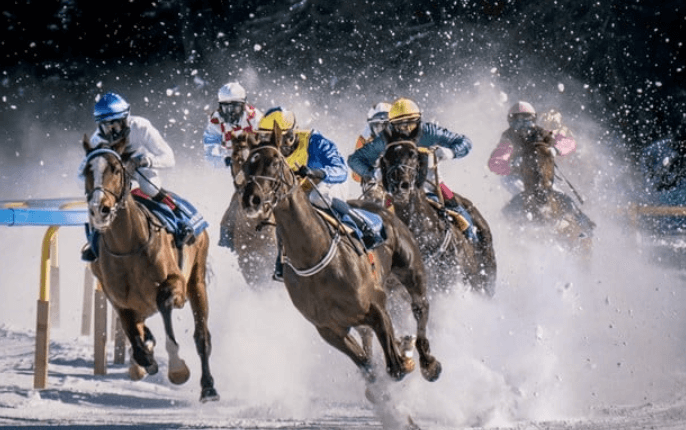
Horse racing is a multifaceted sport, showcasing various types that appeal to diverse audiences. Flat racing emphasizes speed on level tracks, while jump racing introduces obstacles that test both horse and rider. Harness racing focuses on precision and rhythm, and endurance racing challenges stamina over long distances. Each format offers unique thrills and strategies. Understanding these distinctions can enhance appreciation for the sport and its participants. What makes each race type so compelling?
Flat Racing
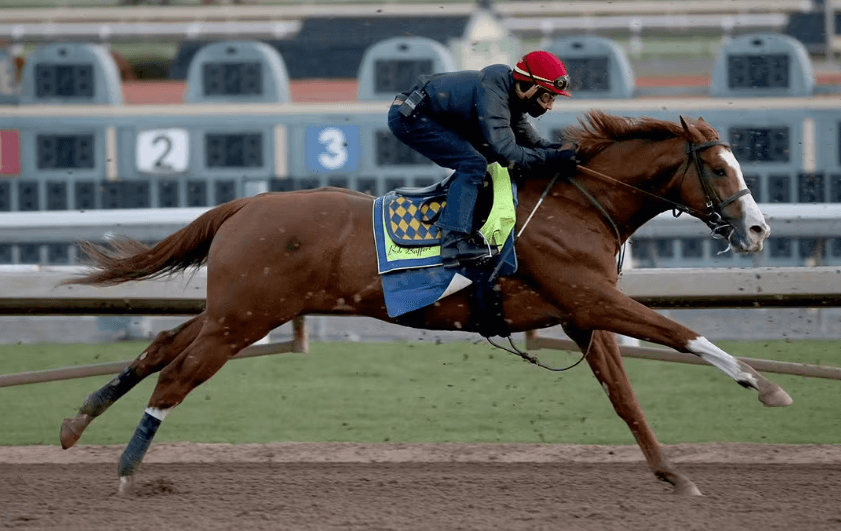
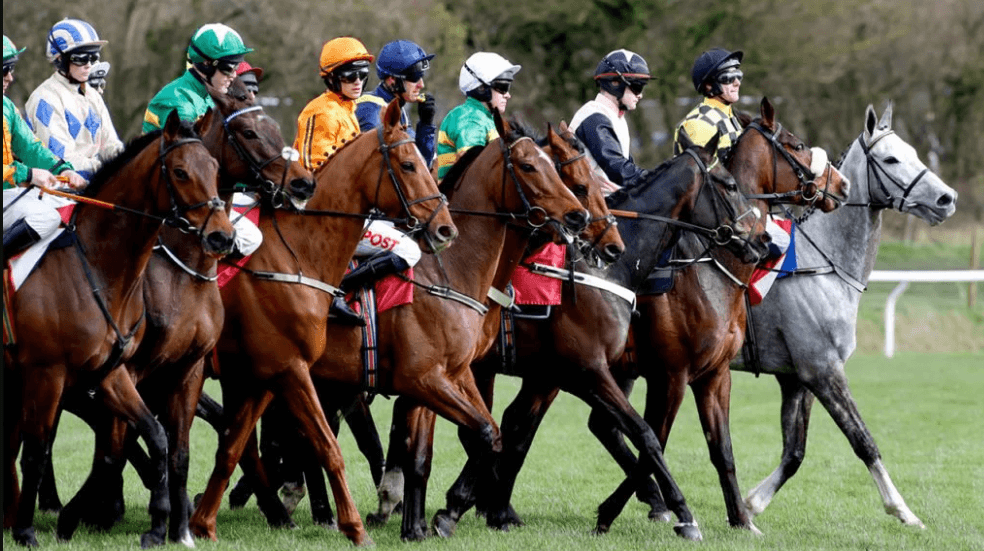
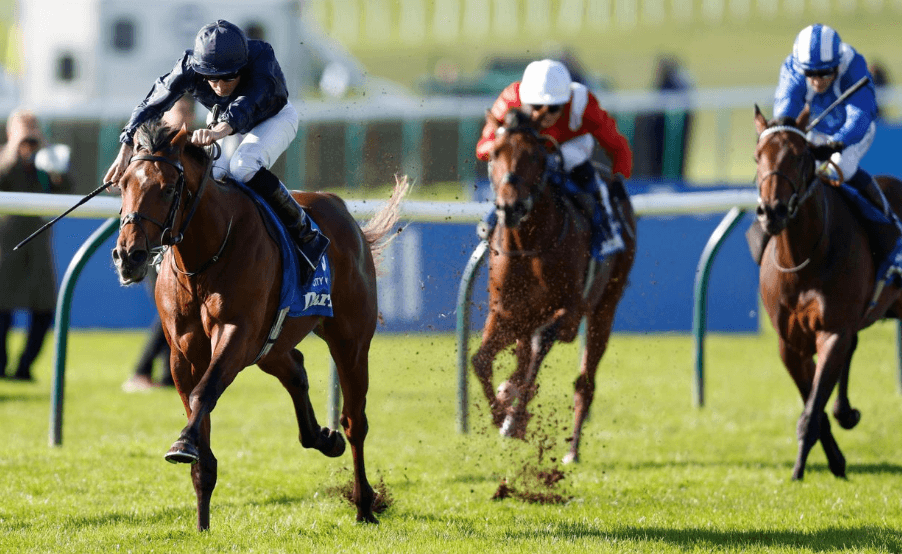
Although various types of horse racing exist, flat racing stands out as one of the most straightforward and popular forms.
This discipline primarily features thoroughbred racing, where horses compete over specified sprint distances on level tracks.
The simplicity of flat racing allows enthusiasts to appreciate the speed and agility of the horses, making it an exhilarating experience for spectators and bettors alike.
Jump Racing
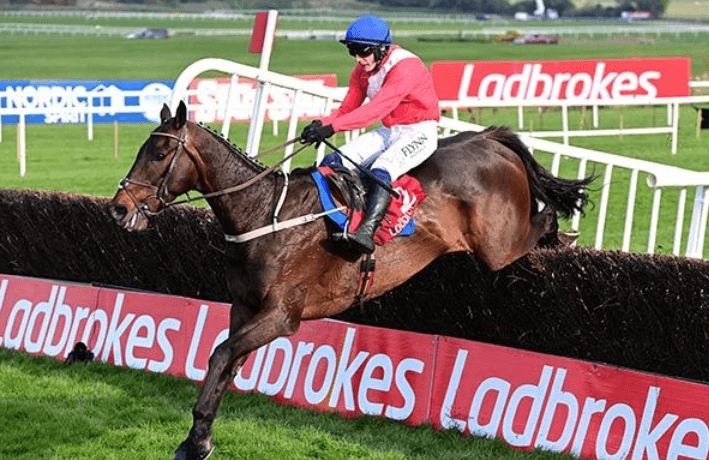
Jump racing, often characterized by its thrilling combination of speed and skill, showcases horses navigating a series of obstacles, including hurdles and fences.
This exhilarating sport demands exceptional jockey skills, as riders must expertly guide their mounts over jump obstacles while maintaining speed.
The strategic interplay between horse and jockey creates a captivating spectacle, appealing to those who seek the excitement of freedom in competition.
Harness Racing
Harness racing, a unique equestrian sport that combines speed with precision, features horses pulling lightweight sulkies driven by jockeys.
This captivating form of sulky racing emphasizes trotting techniques, where horses maintain a rhythmic gait while navigating the track.
Trainers and drivers work closely to refine these techniques, enhancing performance and ensuring that each race is a thrilling spectacle of skill and strategy.
Endurance Racing
What makes endurance racing a test of both horse and rider? This discipline demands rigorous endurance training, as participants navigate challenging terrains over long distances.
Effective race strategies are crucial, allowing riders to manage their horse’s energy and pace throughout the event. Both horse and rider must possess resilience and adaptability, showcasing a unique bond that thrives under the pressure of extended competition.
Conclusion
In the grand tapestry of horse racing, each thread—be it the swift gallop of flat racing, the daring leaps of jump racing, the rhythmic precision of harness racing, or the grueling endurance tests—contributes to a vibrant narrative of speed, skill, and strategy. Together, they form a symphony of motion, where horses and riders dance across tracks and trails, captivating audiences and igniting passions. Understanding these diverse formats unveils the rich layers of this exhilarating sport, inviting enthusiasts to delve deeper into its thrilling world.