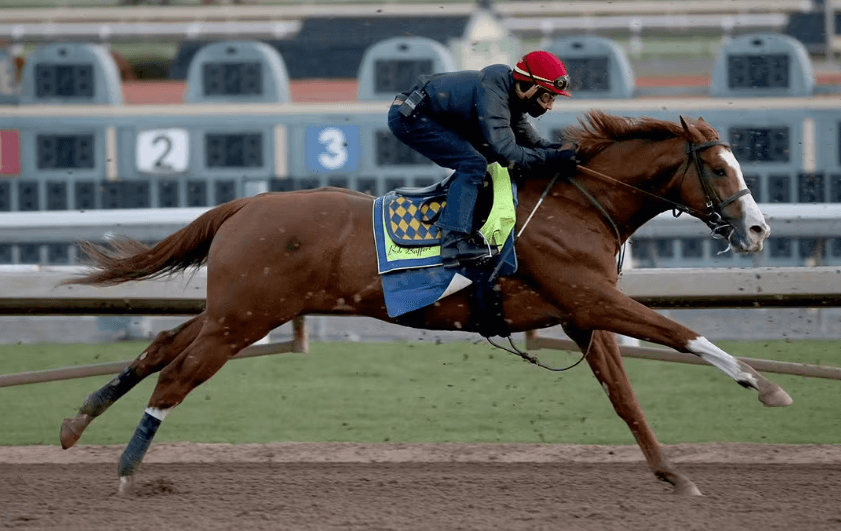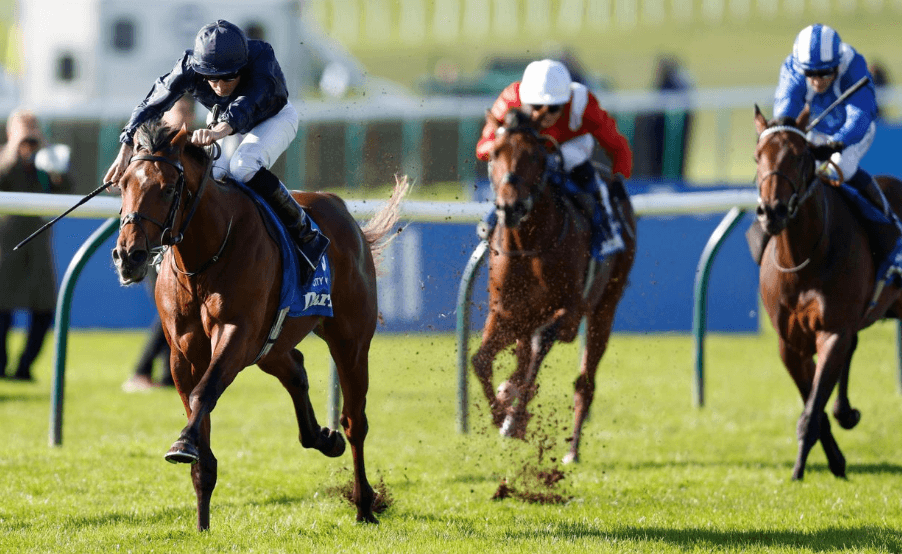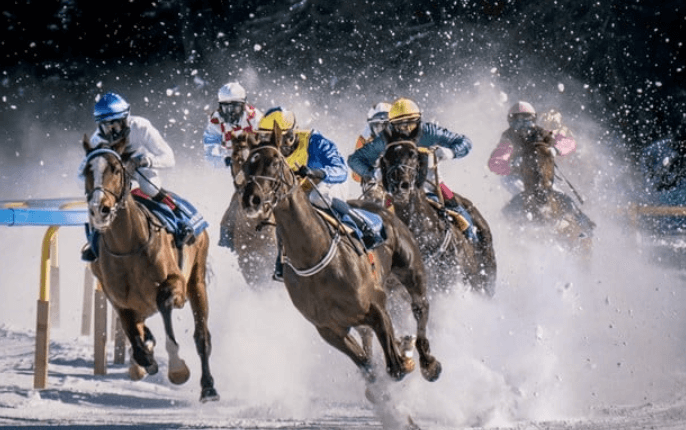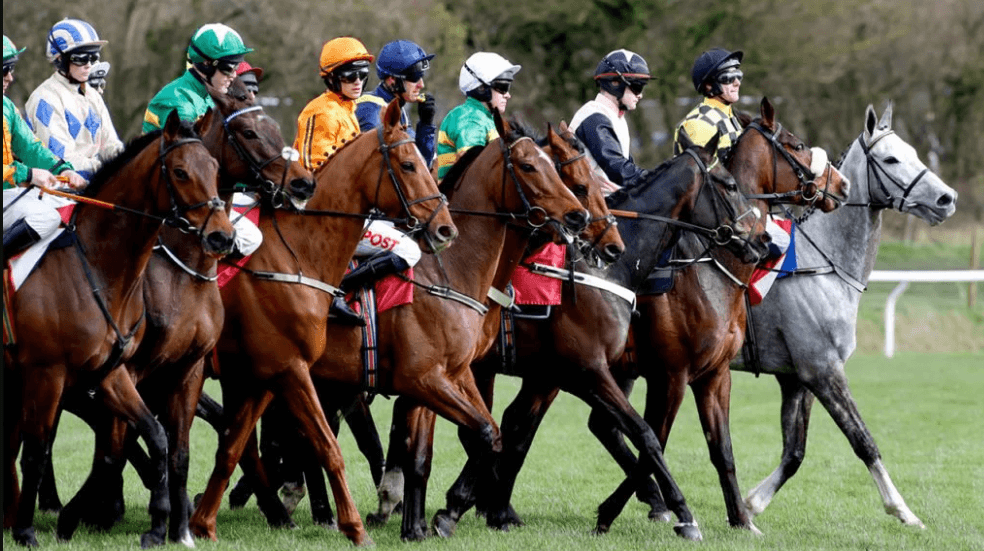
Horse racing epitomizes the intricate dynamics between trainers and jockeys. Trainers lay the groundwork through meticulous conditioning and strategic insights. Jockeys, in turn, bring these plans to life with their skillful execution on race day. However, the relationship between these two roles is not merely functional; it is built on collaboration and trust. Understanding this partnership reveals the complexities of the sport and the challenges that arise as they strive for success. What factors truly tip the balance?
The Trainer’s Role: Conditioning and Strategy
Although often overshadowed by the more visible figures in horse racing, trainers play a pivotal role in shaping a horse’s performance through meticulous conditioning and strategic planning.
Their training techniques encompass physical fitness, mental resilience, and tailored diets, ensuring each horse is primed for competition.
The Jockey’s Role: Execution and Skill
While trainers lay the groundwork for a horse’s potential, it is the jockey who brings that potential to life on the racetrack.
Mastering jockey techniques and employing effective race tactics, they navigate the complexities of competition. Their skillful execution influences outcomes, balancing strategy with instinct.
A jockey’s ability to read the race and respond dynamically can ultimately determine victory or defeat.
See also: Horse Racing: Understanding the Role of Trainers
The Trainer-Jockey Relationship: Collaboration and Communication
The dynamic relationship between trainers and jockeys is pivotal to a horse’s success on the racetrack, as effective collaboration and communication can significantly enhance performance.
Trust dynamics play a crucial role, with distinct communication styles influencing decision-making.
When trainers and jockeys align their strategies and insights, they create a harmonious approach that fosters confidence, ultimately leading to improved outcomes during races.
Challenges in Horse Racing: Navigating Success Together
Navigating the myriad challenges in horse racing requires a well-coordinated effort from both trainers and jockeys, reinforcing the importance of their collaborative relationship.
Understanding horse behavior is crucial, as it influences race dynamics and outcomes. Together, they must adapt to unpredictable factors, such as track conditions and equine temperament, ensuring they optimize performance while maintaining the horse’s well-being throughout the racing journey.
Conclusion
In the intricate world of horse racing, the synergy between trainers and jockeys is paramount to achieving success on the track. As trainers develop a horse’s potential through meticulous preparation, jockeys must translate that groundwork into tactical excellence during races. This partnership raises an intriguing question: how can the balance of strategy and skill be optimized to enhance performance? Ultimately, their collaboration not only defines individual races but also shapes the future of the sport itself.