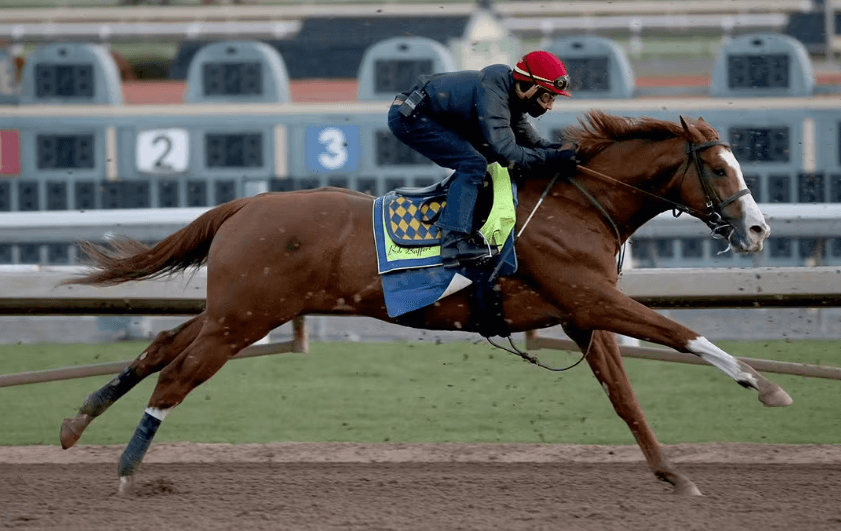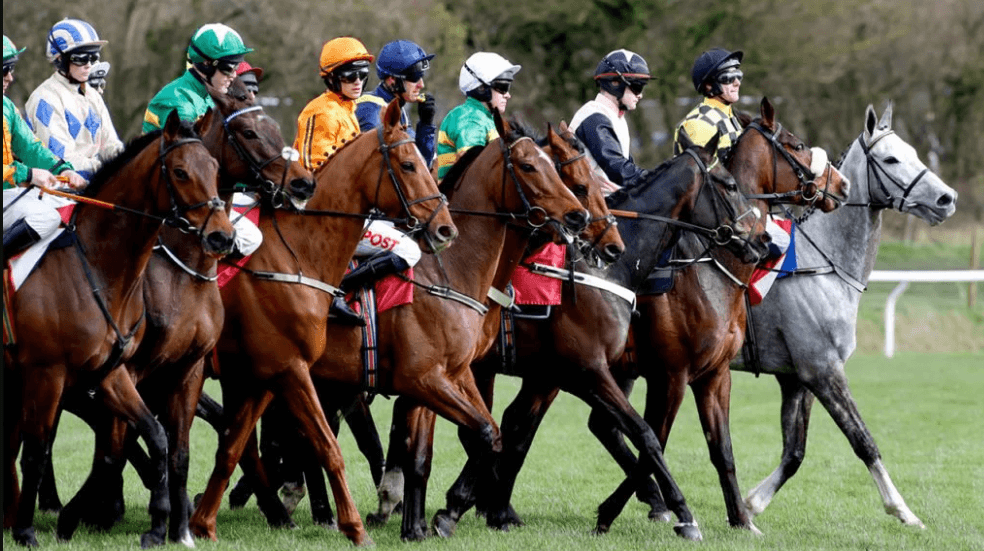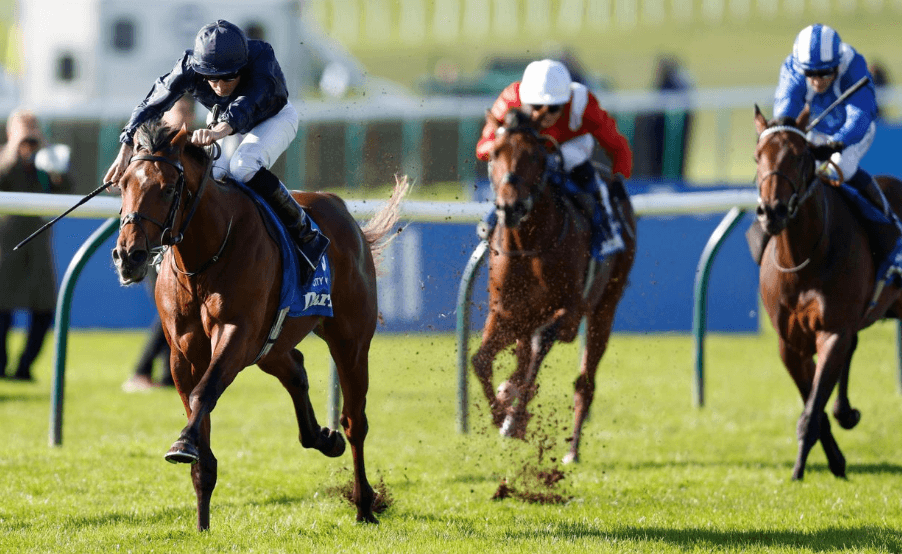
In horse racing, trainers are pivotal figures who influence a horse’s potential. Their daily routines involve evaluating each horse’s strengths and weaknesses, devising tailored training programs, and managing nutrition. These responsibilities extend beyond mere physical preparation, as trainers also focus on mental readiness for competition. Understanding how trainers integrate these elements can reveal the intricacies of race day success. What specific strategies do trainers employ to ensure both horse and rider are optimally prepared?
The Trainer’s Responsibilities and Daily Routine
Although the role of a horse trainer is often romanticized in popular culture, their daily responsibilities are both demanding and multifaceted.
Trainers conduct thorough evaluations to assess each horse’s potential, employing meticulous horse selection processes. They design tailored training regimens, manage health and nutrition, and foster relationships with owners, all while ensuring that each horse is prepared for competitive success on the racetrack.
Training Philosophies: Approaches to Developing Winning Horses
Trainers employ a variety of training philosophies to cultivate winning horses, each reflecting a unique blend of experience, intuition, and scientific principles.
These philosophies often incorporate diverse training techniques tailored to individual horses, emphasizing horse psychology to foster trust and motivation.
See also: Horse Racing: Understanding the Impact of Weather on Races
The Importance of Nutrition and Conditioning
While the intricacies of training a racehorse often draw significant attention, the foundational elements of nutrition and conditioning play a critical role in a horse’s overall performance.
Effective nutrition strategies ensure that horses receive essential vitamins and minerals, while conditioning techniques enhance their physical capabilities.
Together, these factors not only optimize health but also contribute to improved endurance, speed, and competitiveness on the racetrack.
Mental Preparation and Strategy on Race Day
On race day, the mental state of both horse and rider is as significant as the physical conditioning and nutrition that have been established beforehand.
A strong race day mindset is cultivated through pre-race rituals, which help to focus energy and alleviate anxiety. Trainers emphasize visualization techniques and calming routines, ensuring both horse and rider are mentally prepared to face the challenges ahead.
Conclusion
In conclusion, trainers are the architects of a horse’s racing potential, balancing physical conditioning with mental preparation. Remarkably, studies show that horses trained with a focus on psychological readiness can improve their performance by up to 15%. This statistic underscores the significance of a comprehensive training strategy that goes beyond mere physicality. As the racing world continues to evolve, the role of trainers remains pivotal in shaping champions, ensuring that both horse and rider are primed for success on race day.