Weather conditions play a crucial role in horse racing, significantly influencing track surfaces and horse performance. Variations in temperature, precipitation, and wind can alter race strategies and outcomes. For instance, wet tracks may slow down horses, while extreme heat poses health risks. Understanding these elements is essential for jockeys and trainers. Yet, the complexities of how each weather factor interacts with racing dynamics warrant further examination. What implications do these changes have on race strategies?
The Role of Track Surface in Weather Conditions
Although various factors influence horse racing outcomes, the track surface significantly interacts with weather conditions, shaping not only the race dynamics but also the performance of the horses.
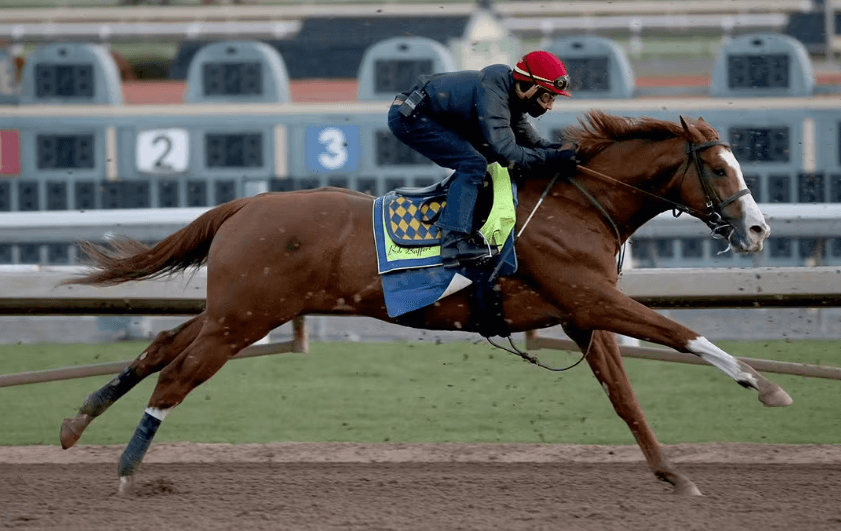
Track composition, including materials such as dirt or synthetic fibers, plays a crucial role in response to moisture and temperature.
Effective surface maintenance ensures optimal conditions, allowing horses to perform at their best while minimizing the impact of adverse weather.
How Temperature Affects Horse Performance
As temperature fluctuates, it exerts a significant influence on horse performance, affecting both physiological responses and overall racing outcomes.
Optimal temperature ranges enhance endurance and speed, while extreme heat can induce heat stress, compromising performance.
Horses may struggle to maintain optimal body temperature, leading to decreased stamina, slower times, and increased risk of injury, thereby emphasizing the critical role of temperature in competitive racing environments.
The Impact of Rain and Wet Conditions
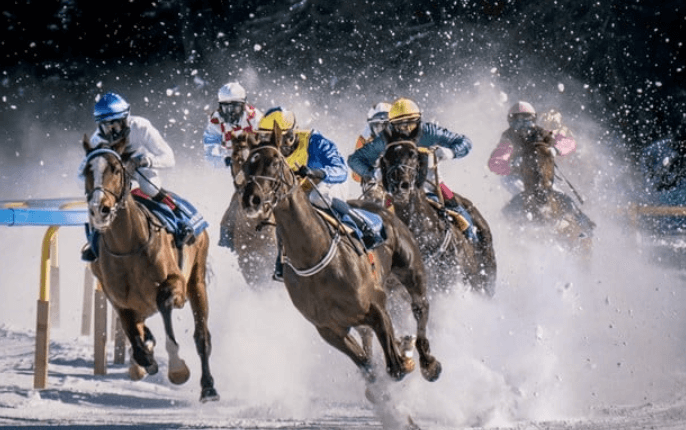
When rain saturates the racetrack, it can fundamentally alter the dynamics of horse racing, influencing both the performance of the horses and the strategies employed by jockeys.
Muddy tracks create slippery surfaces, which can hinder speed and traction. Jockeys must adapt their tactics, often favoring horses with experience in wet conditions, as the unpredictable nature of rain can heavily impact race outcomes.
See also: Horse Racing: Understanding the Different Types of Races
Wind and Its Influence on Race Dynamics
How does wind affect the intricate dynamics of horse racing?
Wind resistance plays a crucial role in shaping racing strategy, as it can hinder a horse’s speed and stamina.
Jockeys must adapt their tactics based on wind direction and intensity, positioning horses to minimize resistance.
Understanding these factors allows for more informed decisions, ultimately influencing race outcomes and the pursuit of victory.
Conclusion
In the unpredictable world of horse racing, one might expect that the outcome hinges solely on speed and skill. However, the true rulers of the track often turn out to be the elements themselves. Weather conditions shape strategies and performance, revealing that the finest jockey or fastest horse can be rendered irrelevant by a sudden downpour or an unexpected gust of wind. Ironically, in a sport defined by precision, it is the capriciousness of nature that ultimately decides victory.